If you’ve ever wondered whether the food on your plate really moves the needle on heart health, the science says yes — and it’s more encouraging than restrictive. Cardiovascular disease remains the leading cause of death worldwide, but a large share of that risk is tied to everyday eating patterns you can start adjusting today. In 2026, the American Heart Association released updated dietary guidance built around nine practical eating habits, and Harvard’s nutrition researchers echo many of the same themes. The good news: none of it requires a total diet overhaul or giving up flavor.
Below, we’ve translated the latest guidance into nine simple, sustainable changes, plus a quick meal framework you can use tonight.
Why What You Eat Matters for Your Heart
Your heart and blood vessels respond directly to the nutrients, fats, and sodium you take in over time. Diets high in refined carbohydrates, added sugar, and sodium are consistently linked to higher blood pressure, unhealthy cholesterol levels, and increased cardiovascular risk. On the flip side, eating patterns rich in vegetables, whole grains, healthy fats, and lean proteins — like the Mediterranean or DASH-style diets — are associated with lower rates of heart disease and stroke. The American Heart Association’s 2026 scientific statement reinforces this with nine specific, evidence-based dietary steps.
9 Heart-Healthy Diet Changes You Can Start Today
1. Fill Half Your Plate With Fruits and Vegetables
Both the American Heart Association and Harvard Health point to produce as the foundation of a heart-protective diet. Aim for at least five servings a day, choosing a variety of colors and textures. Frozen and canned vegetables and fruits count too — just rinse canned vegetables to cut down on added sodium, and choose fruit canned in water or its own juice rather than syrup.
2. Swap Refined Grains for Whole Grains
Whole-wheat bread, brown rice, oats, quinoa, and whole-grain pasta retain the fiber and nutrients that refining strips away. That fiber helps manage cholesterol and blood sugar, both of which play a role in cardiovascular risk. A simple swap — brown rice instead of white, or oatmeal instead of a sugary cereal — is an easy place to start.
3. Choose Healthier Protein Sources
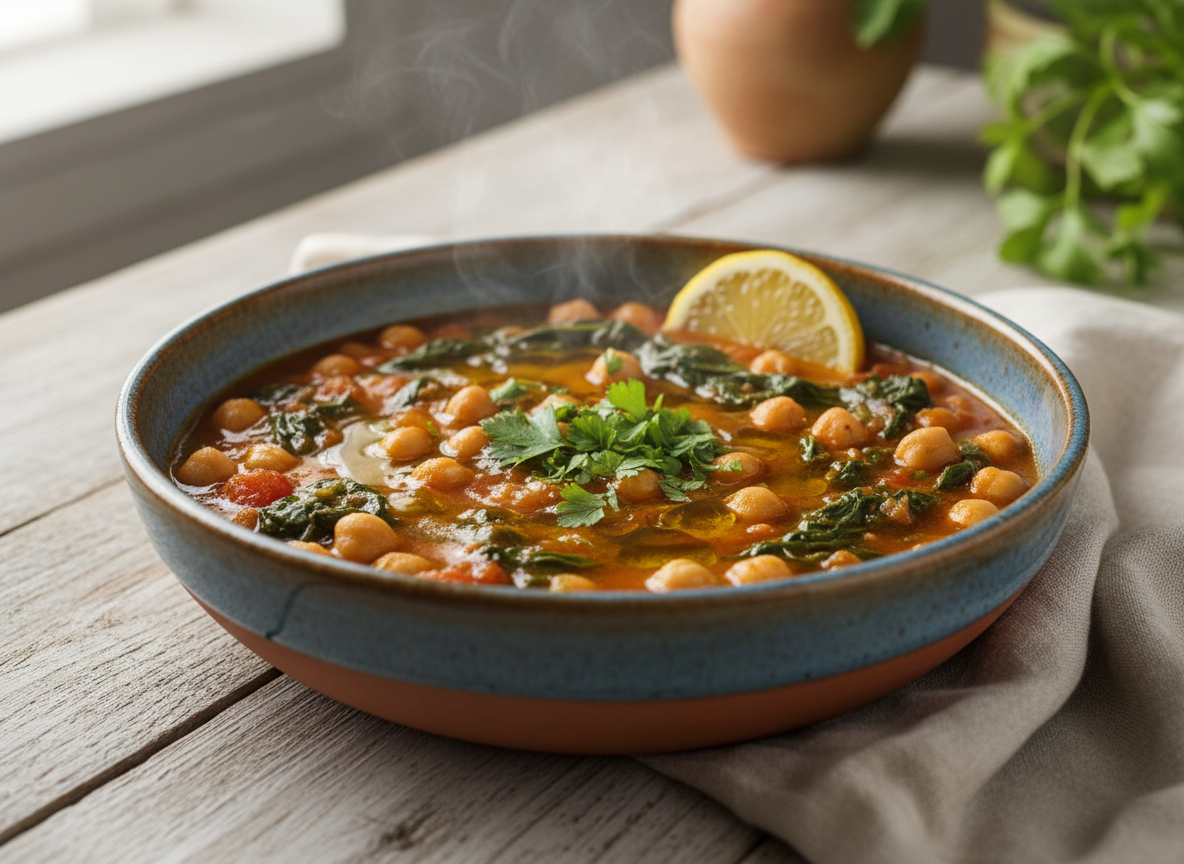
Shift some of your protein toward plant-based sources like beans, lentils, chickpeas, nuts, and seeds. Aim for two to three servings of fish per week, particularly fatty fish like salmon or sardines, which supply omega-3 fatty acids. When you do eat meat, choose lean cuts, limit processed meats like bacon and deli meat, and opt for low-fat dairy.
4. Cook With Unsaturated Fats
Not all fat is created equal. Replacing saturated fats — found in butter, fatty red meat, and tropical oils like coconut and palm oil — with unsaturated fats from olive oil, canola oil, avocados, nuts, and seeds is one of the most well-supported ways to improve cholesterol levels and lower cardiovascular risk.
5. Choose Minimally Processed Foods
Foods closer to their natural state — fresh produce, whole grains, plain nuts, simple proteins — generally come with less added salt, sugar, and preservatives than heavily packaged or ultra-processed foods. This doesn’t mean every convenience food is off-limits, but building meals around whole ingredients most of the time makes a measurable difference over months and years.
6. Cut Back on Added Sugars
Sugar-sweetened beverages, pastries, and candy contribute calories without nutritional benefit and are linked to weight gain, type 2 diabetes, and heart disease risk. Try swapping soda for sparkling water with citrus, and satisfy a sweet tooth with fruit more often than dessert.
7. Watch Your Sodium
Harvard Health recommends keeping sodium intake below 2,300 milligrams per day — roughly a teaspoon of salt — and many people benefit from going lower. Most sodium in the average diet comes from packaged and restaurant food rather than the salt shaker, so reading labels and cooking more meals at home go a long way. Fresh herbs, garlic, citrus, and spices are flavorful, sodium-free ways to season food.
8. Be Mindful of Alcohol
Current guidance is more cautious than in years past: if you don’t drink, there’s no heart-health reason to start, and if you do drink, keeping intake moderate — generally up to one drink a day for women and up to two for men — is advised, since higher intake is linked to increased cardiovascular and other health risks.
9. Balance Energy Intake With Activity
Maintaining a healthy weight reduces strain on the heart and blood vessels. That doesn’t mean strict calorie counting — it means paying attention to portions, eating until satisfied rather than stuffed, and pairing consistent, moderate physical activity with your eating habits.
A Simple Heart-Healthy Meal Framework
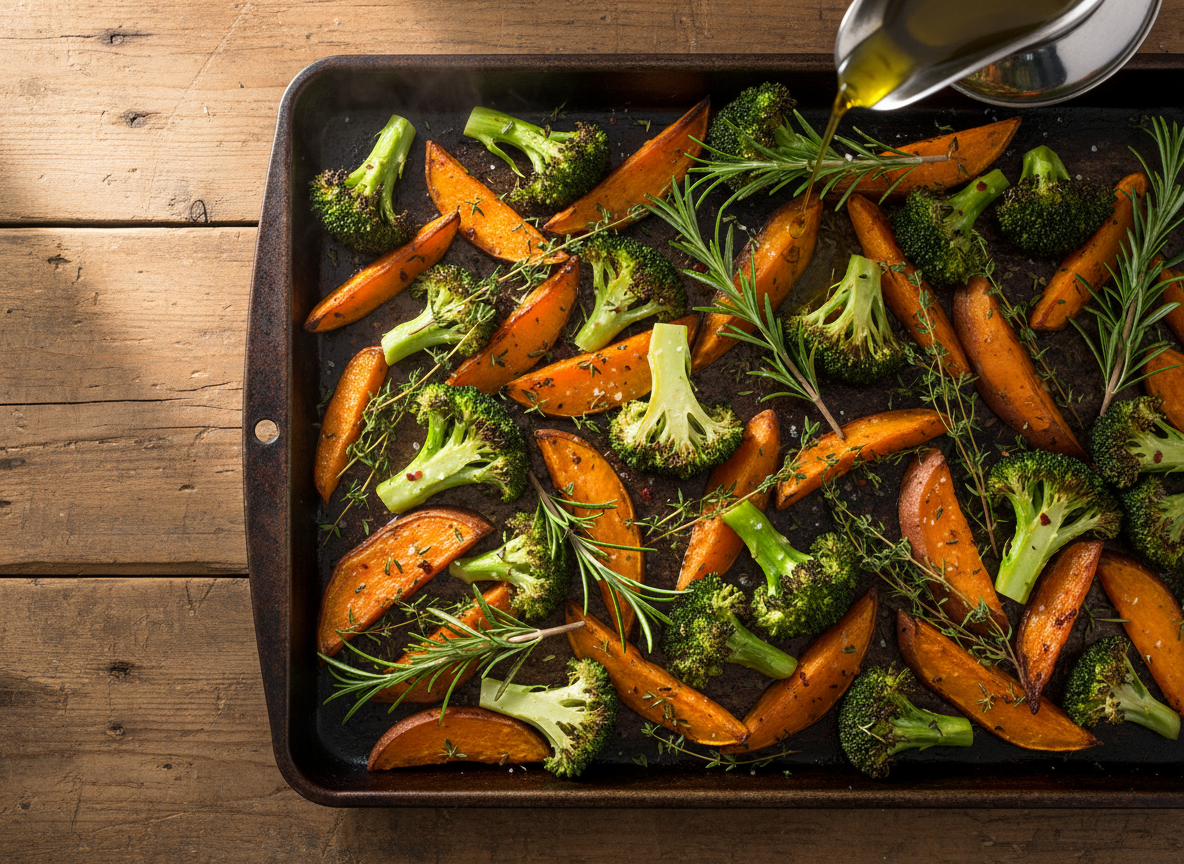
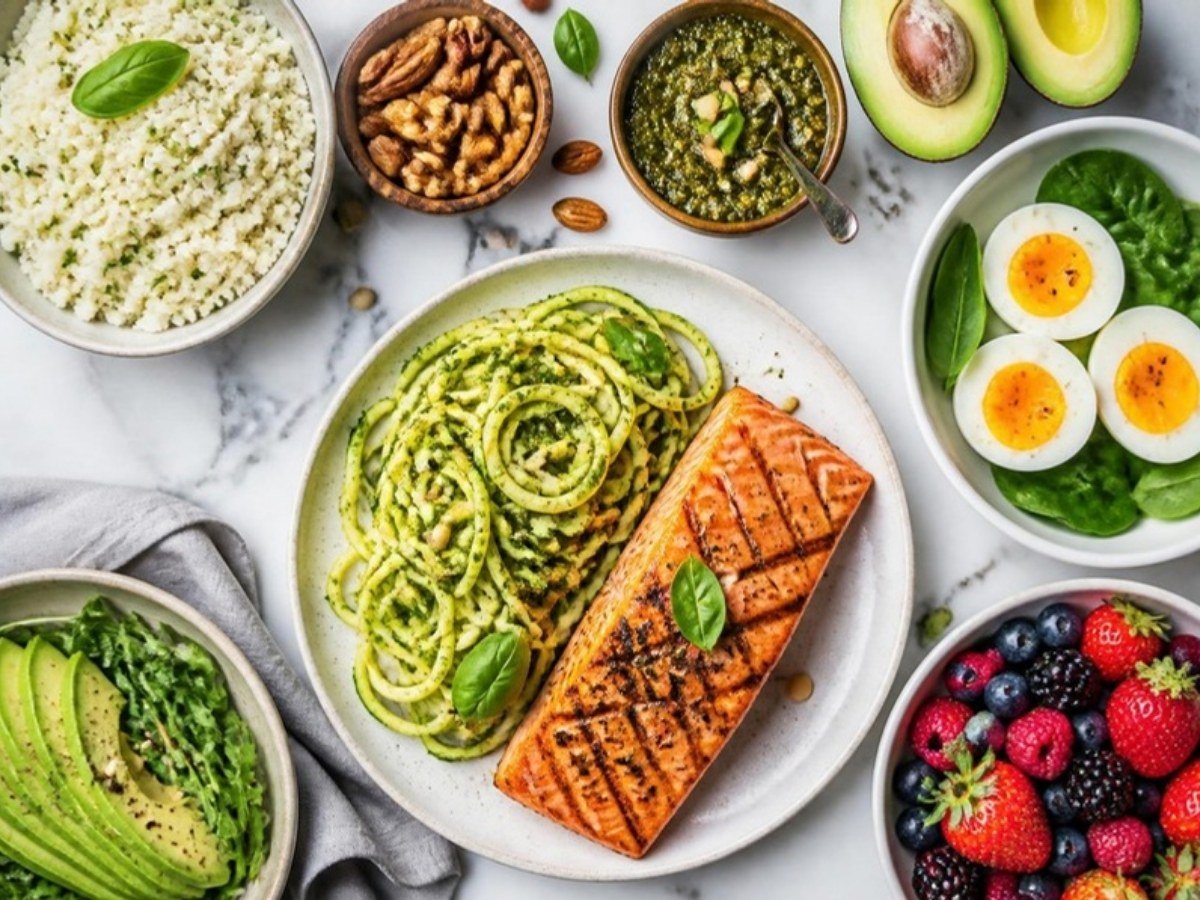
If nine tips feel like a lot to hold in your head, use this shorthand when you build a plate: half vegetables and fruit, a quarter whole grains, and a quarter lean or plant-based protein, finished with a drizzle of olive oil or a handful of nuts or seeds. A weeknight example: a sheet pan of roasted salmon, broccoli, and sweet potato wedges tossed in olive oil and herbs — it hits nearly every one of the nine steps in a single meal.
A Note on Medical Advice
This article is intended as general nutrition information and meal inspiration, not individualized medical advice. Heart disease risk depends on many factors — genetics, existing conditions, medications, and more — so if you have a heart condition, high blood pressure, high cholesterol, or other cardiovascular risk factors, talk with your doctor or a registered dietitian before making significant changes to your diet.
The Bottom Line
Heart-healthy eating isn’t about perfection or eliminating entire food groups — it’s about shifting the balance of what’s on your plate, more often than not, toward vegetables, whole grains, healthy fats, and minimally processed foods. Start with one or two of the nine steps above, build the habit, and layer on more from there. Small, sustainable changes made consistently over years are exactly what the research behind these guidelines is built on.
- Fill half your plate with fruits and vegetables
- Choose whole grains over refined grains
- Favor plant-based proteins and fish over red and processed meat
- Cook with olive oil, nuts, and seeds instead of saturated fats
- Keep sodium under about 2,300 mg per day
- Limit added sugars and sugary drinks
- Go easy on alcohol
- Balance what you eat with regular movement
Leave a Reply