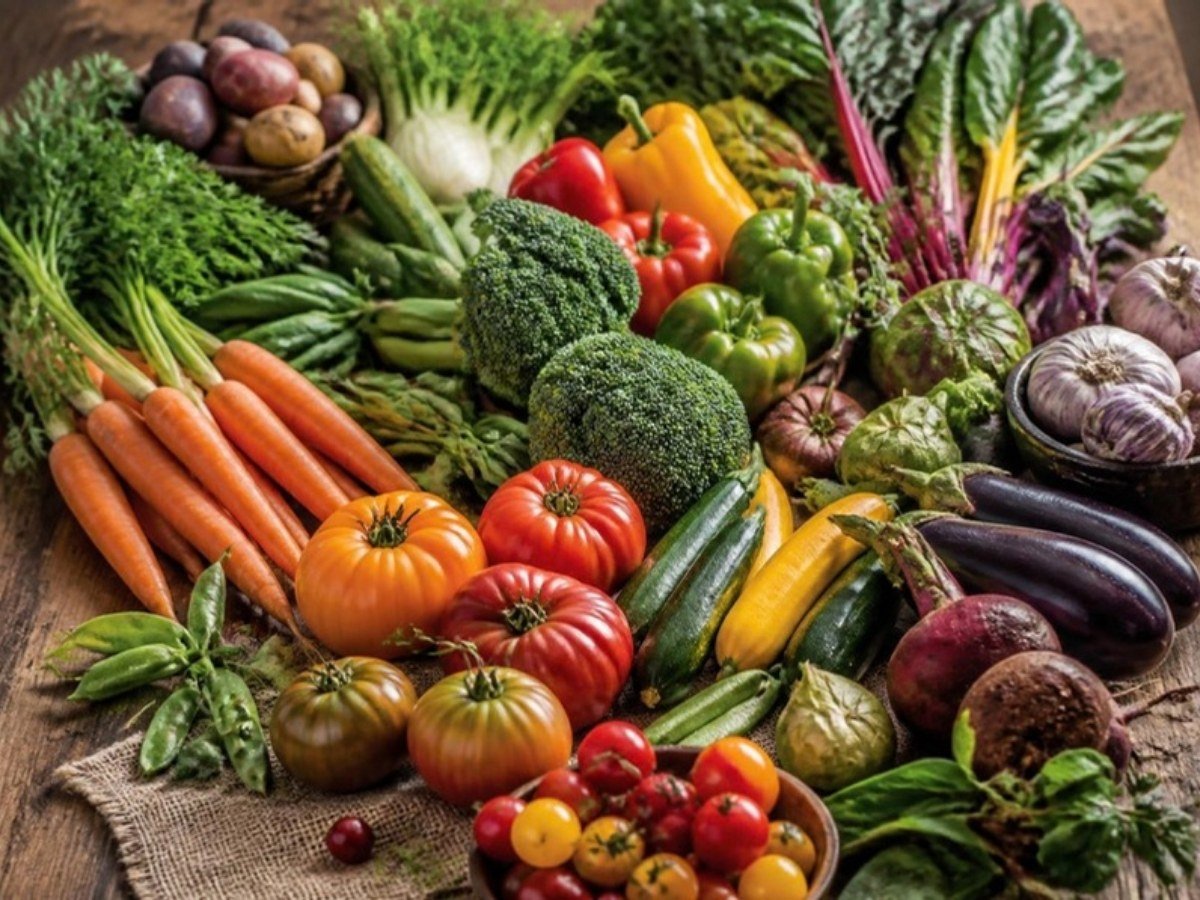
If you don’t eat as many vegetables as you’d like, you’re in very large company. A CDC analysis found that only about 9% of U.S. adults ate the recommended amount of vegetables, which federal guidelines put at roughly 2 to 3 cups a day for adults depending on age and sex.
The good news: you don’t need to eat giant salads or learn to love kale. Small, repeatable tricks add up fast. Here are ten that work in real kitchens.
Why it’s worth the effort
Diets rich in vegetables and fruit can help reduce the risk of many leading causes of illness, including heart disease, type 2 diabetes, some cancers and obesity, according to the CDC. Vegetables also bring fiber, which most people are short on.
1. Add vegetables to breakfast
Breakfast is the meal where vegetables are usually missing entirely, so it’s the easiest win. Stir spinach into scrambled eggs, add tomatoes and mushrooms to an omelet, or prep our Spinach and Feta Egg Muffins for the week.
2. Fill half your plate first
Before you add anything else, put vegetables on half the plate. Then fit the protein and carbs around them. Our Balanced Plate guide explains the method.
3. Keep frozen vegetables on hand
Frozen peas, spinach, broccoli, green beans and stir-fry mixes last for months, need no chopping, and cook in minutes. When the fresh stuff runs out midweek, frozen vegetables keep you on track.
4. Roast a big tray once a week
Roasting brings out sweetness that even vegetable skeptics tend to like. Toss chopped carrots, peppers, onions, zucchini and cauliflower with olive oil and salt, and roast until browned at the edges. Then add them to salads, wraps, pasta, eggs and grain bowls all week.
5. “Hide” vegetables in sauces, soups and mince
Grate carrot or zucchini into pasta sauce, bolognese or chili. Blend spinach into soups. Add finely chopped mushrooms to ground meat for burgers or lasagna. Our Lean Turkey and Bean Chili is packed with vegetables without feeling like a “vegetable dish.”
6. Make vegetables the easy snack
Keep washed, cut vegetables at eye level in the fridge: carrot sticks, cucumber, peppers, snap peas and cherry tomatoes. Pair them with hummus or a yogurt dip. When they’re the first thing you see, you’ll eat them more often.
7. Upgrade what you already eat
You don’t need new recipes. Add a handful of vegetables to meals you already make:
- Extra peppers and onions on pizza
- Spinach or lettuce and tomato in every sandwich or wrap
- Frozen peas stirred into rice or pasta
- A side salad with takeaway
8. Try one-pan and one-pot meals
Sheet-pan and one-pot dinners cook protein and vegetables together, so the vegetables are built in, not an extra job. Try our Sheet-Pan Shrimp Fajitas or One-Pot Mediterranean Chickpea and Spinach Stew.
9. Season them properly
Bland, overcooked vegetables are why many people think they don’t like vegetables. Use salt, garlic, lemon, herbs, spices, a little olive oil or a sprinkle of cheese. Cook them until just tender, or roast them until caramelized.
10. Buy what’s in season
Seasonal vegetables usually taste better and cost less. Try one new vegetable a week, and if you don’t like it one way, try it cooked a different way before giving up on it.
👨🍳 Chef Nadeem’s tip: The most common reason home-cooked vegetables turn out soggy is steaming them or crowding the pan, which traps moisture. In professional kitchens, we roast or sauté vegetables at high heat, 400–450°F (200–230°C), with plenty of space between the pieces. The high heat quickly caramelizes their natural sugars and browns the surface, which gives a savory, nutty depth of flavor. If your tray is crowded, use two trays.
Tips for picky eaters
- Serve vegetables you know they like alongside a small amount of something new.
- Let kids (or adults) choose a vegetable at the store.
- Offer dips.
- Keep offering. Tastes often change with repeated exposure.
A sample day with 5 servings of vegetables
- Breakfast: Omelet with spinach, tomato and mushrooms
- Lunch: Wrap with hummus, lettuce, cucumber, grated carrot and turkey, like our Turkey and Hummus Veggie Wrap
- Snack: Pepper strips and snap peas with hummus
- Dinner: Chicken stir-fry loaded with broccoli, peppers and snap peas, like our Easy Chicken and Broccoli Stir-Fry
Frequently asked questions
Do frozen and canned vegetables count?
Yes. Frozen vegetables are a convenient option. For canned, look for “no salt added” or rinse them to reduce sodium.
Do potatoes count as vegetables?
Nutrition guides usually treat potatoes as a starchy food rather than part of the “half plate” of vegetables. Enjoy them, but count them with your carbs.
Do vegetable juices or smoothies count?
They can contribute, but whole vegetables keep more of their fiber and are more filling.
Sources
- Centers for Disease Control and Prevention, Only 1 in 10 Adults Get Enough Fruits or Vegetables
Disclaimer: This article is general information, not medical or nutrition advice. Read our full Disclaimer.

Leave a Reply