
Inflammation has become one of those buzzwords that gets tossed around in wellness circles, but chronic, low-grade inflammation is a real and well-studied driver of long-term health problems. The good news: what’s on your plate every day has a measurable effect on it. You don’t need a strict “anti-inflammatory diet” plan or a cabinet full of supplements to make progress. A handful of consistent, everyday food swaps can shift your eating pattern in a direction that supports your body instead of working against it.
In this guide, we’ll break down what chronic inflammation actually is, which foods research links to more of it (and which to less), and give you a practical, no-nonsense list of swaps you can start making today — no fad diet required.
What Is Chronic Inflammation, and Why Does It Matter?
Inflammation itself isn’t the enemy. It’s your immune system’s short-term response to injury or infection, and it’s essential for healing. The concern is chronic, low-level inflammation — sometimes called “metaflammation” — that lingers for months or years, often driven by diet, excess body fat, chronic stress, poor sleep, and inactivity rather than by an actual infection.
According to Harvard’s Nutrition Source, this kind of persistent inflammation can damage healthy cells over time and is linked to higher risk of cardiovascular disease, type 2 diabetes, certain cancers, and neurodegenerative conditions like Alzheimer’s disease. Western dietary patterns that are heavy on processed foods, refined sugar, and fried food tend to trigger more of this inflammatory response, while diets built around whole foods tend to calm it down.
The Mayo Clinic Health System puts it simply: no single “superfood” makes your diet anti-inflammatory on its own. It’s the overall pattern — what you eat most days, not what you eat once in a while — that moves the needle.
The Anti-Inflammatory Eating Pattern (It’s a Pattern, Not a Single Food)
Rather than chasing individual “miracle” ingredients, think in terms of an overall eating pattern — one that closely resembles the Mediterranean diet, which has some of the strongest research behind it for reducing inflammatory markers like C-reactive protein (CRP). That pattern emphasizes fruits and vegetables, unsaturated fats, minimally refined whole grains, tea and coffee, herbs and spices, legumes, and oily fish.
Foods to Build Your Plate Around
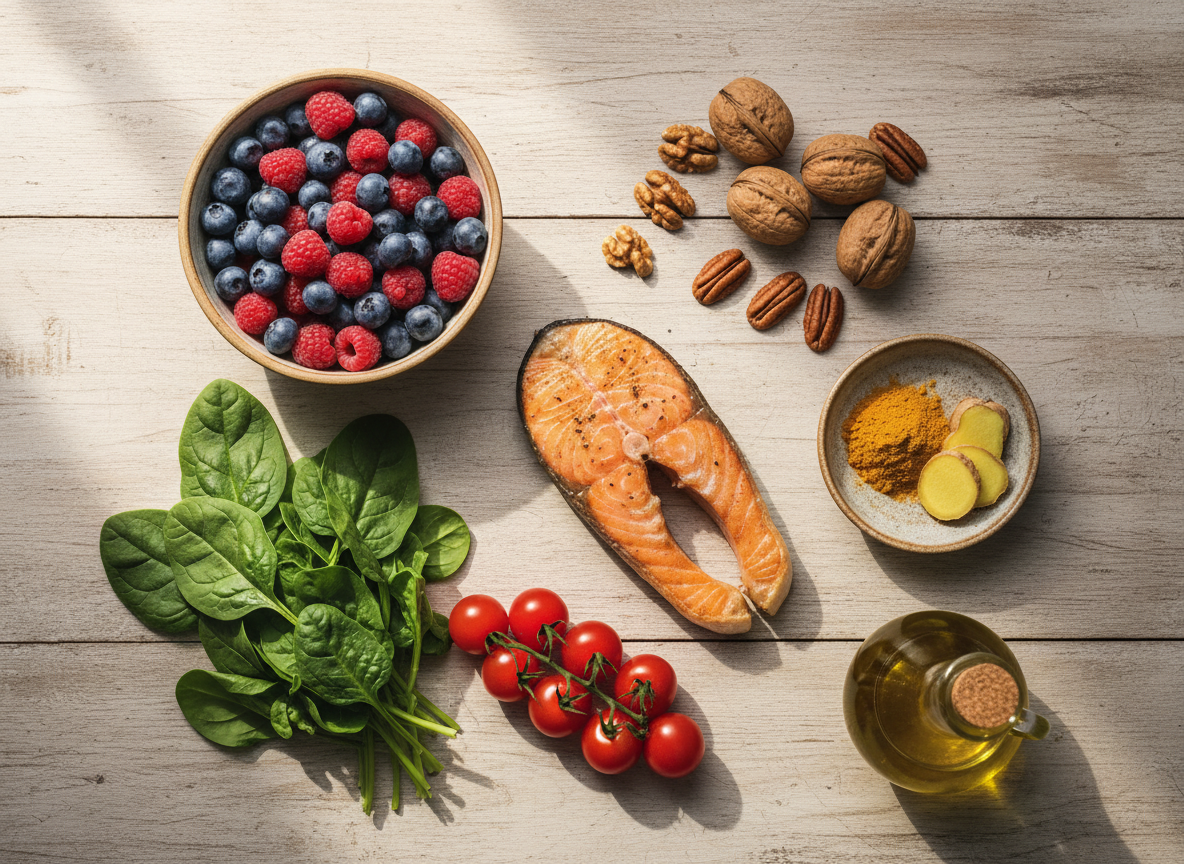
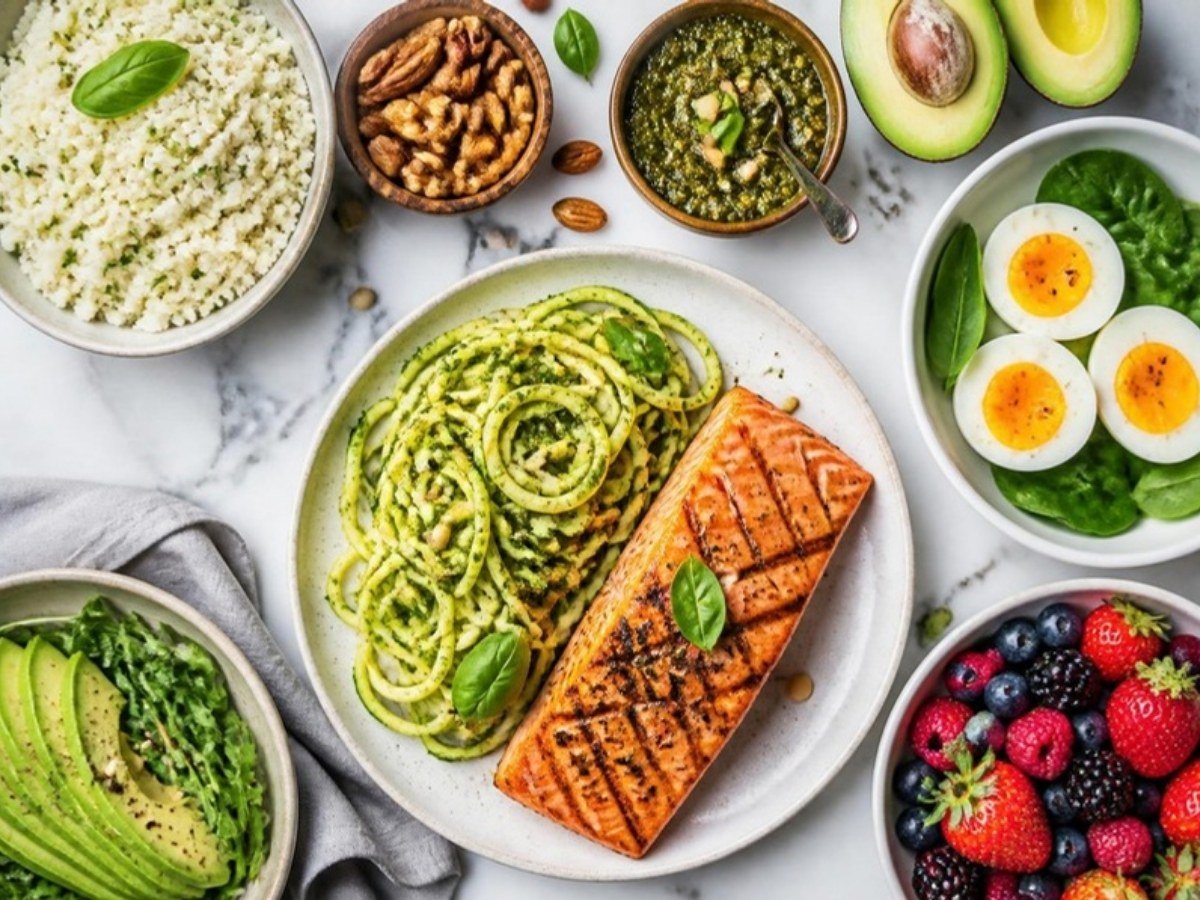
- Fatty fish like salmon, sardines, and mackerel — rich in omega-3 fatty acids
- Colorful fruits and vegetables, especially berries, citrus, leafy greens, broccoli, and sweet peppers — packed with antioxidants and phytochemicals
- Nuts and seeds, including walnuts, chia seeds, and flaxseeds
- Extra-virgin olive oil and avocado for monounsaturated fats
- Legumes like beans, lentils, and chickpeas — a great source of fiber and plant protein
- Whole grains such as oats, quinoa, and brown rice
- Anti-inflammatory herbs and spices: turmeric, ginger, garlic, and cinnamon
- Tea and coffee, both linked to lower inflammatory markers in observational studies
- Dark chocolate (70% cocoa or higher), in moderation
Fiber deserves special mention here. Beyond its digestive benefits, fiber feeds the beneficial bacteria in your gut, which may help reduce a process called metabolic endotoxemia — one of the underlying contributors to chronic inflammation. If you’re also curious about gut health specifically, it pairs naturally with the food choices below.
Foods That Tend to Fuel Inflammation
On the flip side, several food categories are consistently associated with higher inflammatory markers when eaten regularly and in large amounts:
- Fried foods (french fries, fried chicken, doughnuts)
- Refined carbohydrates (white bread, pastries, sugary cereals)
- Processed and fatty red meats, including deli meats
- Sugar-sweetened beverages like soda and sweetened juice drinks
- Foods high in industrial trans fats or partially hydrogenated oils (shortening, some margarines)
- Excess alcohol
None of this means these foods are completely off-limits forever — an occasional slice of cake isn’t going to undo months of good habits. The goal is simply to make sure they’re the exception in your week rather than the daily default.
7 Practical Swaps You Can Start Today
- Swap soda for sparkling water with citrus — you keep the fizz, lose the added sugar.
- Swap white bread for a hearty whole-grain loaf with visible seeds or oats.
- Swap chips for a handful of walnuts or a small side salad when you want something crunchy.
- Swap deli meat sandwiches for a salmon or chickpea salad a few times a week.
- Swap butter or margarine for extra-virgin olive oil in cooking and dressings.
- Swap your afternoon candy bar for berries and a square of dark chocolate.
- Swap one fried side dish a week for a roasted vegetable side tossed in olive oil, garlic, and herbs.
Pick two or three of these to start. Trying to overhaul your entire pantry in one weekend usually backfires — small, sustainable swaps compound over months into a genuinely different way of eating.
Building an Anti-Inflammatory Plate
A simple visual framework, echoed by both Harvard and Mayo Clinic guidance, is to build your plate like this:
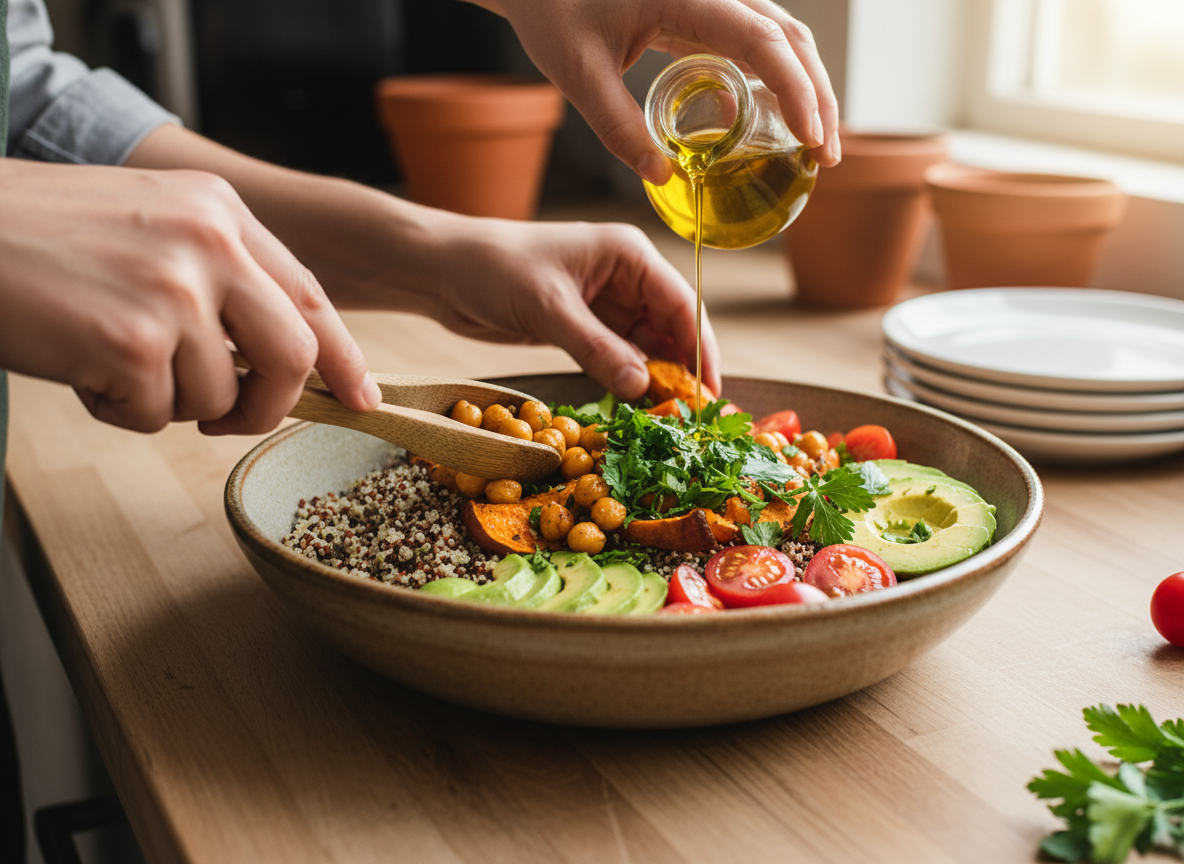
- Half the plate: colorful non-starchy vegetables (and some fruit)
- One quarter: whole grains or a starchy vegetable like sweet potato
- One quarter: lean protein — fish, poultry, legumes, tofu, or eggs
- Finish with a drizzle of olive oil, fresh herbs, or a sprinkle of nuts or seeds
This is essentially the Mediterranean plate, and it’s flexible enough to apply to breakfast, lunch, or dinner — a grain bowl, a sheet-pan dinner, or even a hearty salad can all fit this structure.
Beyond the Plate: Habits That Support the Same Goal
Diet is a major lever, but it isn’t the only one. Mayo Clinic guidance also points to maintaining a healthy weight, getting regular movement (around 30 minutes most days), managing chronic stress, and prioritizing sleep as complementary habits that work alongside an anti-inflammatory eating pattern. Food changes tend to stick better when they’re paired with these broader lifestyle habits rather than treated in isolation.
A Quick Note on Health Conditions
Chronic inflammation is associated with conditions like heart disease, type 2 diabetes, and certain autoimmune and neurodegenerative diseases, but diet changes are a complement to — not a replacement for — medical care. This article is general information and recipe inspiration, not individualized medical advice. If you have a diagnosed health condition or are managing symptoms of chronic inflammation, please talk with your doctor or a registered dietitian about what’s right for your specific situation.
The Bottom Line
You don’t need to eliminate entire food groups or buy expensive supplements to eat in a way that supports lower inflammation. Lean into colorful produce, fatty fish, nuts, olive oil, whole grains, and legumes; go easy on fried food, refined carbs, and sugary drinks; and let small, consistent swaps do the heavy lifting over time. Start with one meal today — a grain bowl, a sheet-pan salmon dinner, or simply swapping your afternoon soda for sparkling water — and build from there.
Sources: Harvard T.H. Chan School of Public Health, The Nutrition Source; Mayo Clinic Health System.
Leave a Reply