After more than 35 years as a professional chef, cooking in Riyadh (including the Sheraton) and Bahrain, with Norwegian Cruise Line in Miami, and in restaurants across the USA, Bermuda and England, I’ve noticed one mistake above all others when people try to cook healthy food at home.
They treat “healthy” as a reason to strip away all the flavor, texture and satisfaction. The result is bland, watery meals, and sooner or later people give up and go back to takeaway. Healthy food doesn’t fail because it’s healthy. It fails because it’s boring.
Here are the five traps I see most often, and how to fix each one.
1. Stripping out all the fat
The mistake: Cooking with only non-stick spray, using nothing but fat-free dressings, or steaming everything without a drop of oil.
Why it backfires: Fat isn’t just about flavor. It helps your body absorb the fat-soluble vitamins A, D, E and K from the vegetables you’re eating. Fat also slows down digestion, which keeps you full. Without it, a “healthy” meal can leave you hungry an hour later, and that’s when the biscuits come out.
The fix: Finish dishes with a small amount of healthy fat: a drizzle of extra virgin olive oil, a sprinkle of toasted nuts or seeds, a spoon of tahini, or a few slices of avocado. You don’t need a lot. A little goes a long way.
2. “Sad steaming” and boiling
The mistake: Boiling or plain-steaming vegetables with no browning, charring or roasting.
Why it backfires: Steaming and boiling trap moisture and dilute flavor. Vegetables come out watery, soggy and unappealing, and nobody wants a second helping.
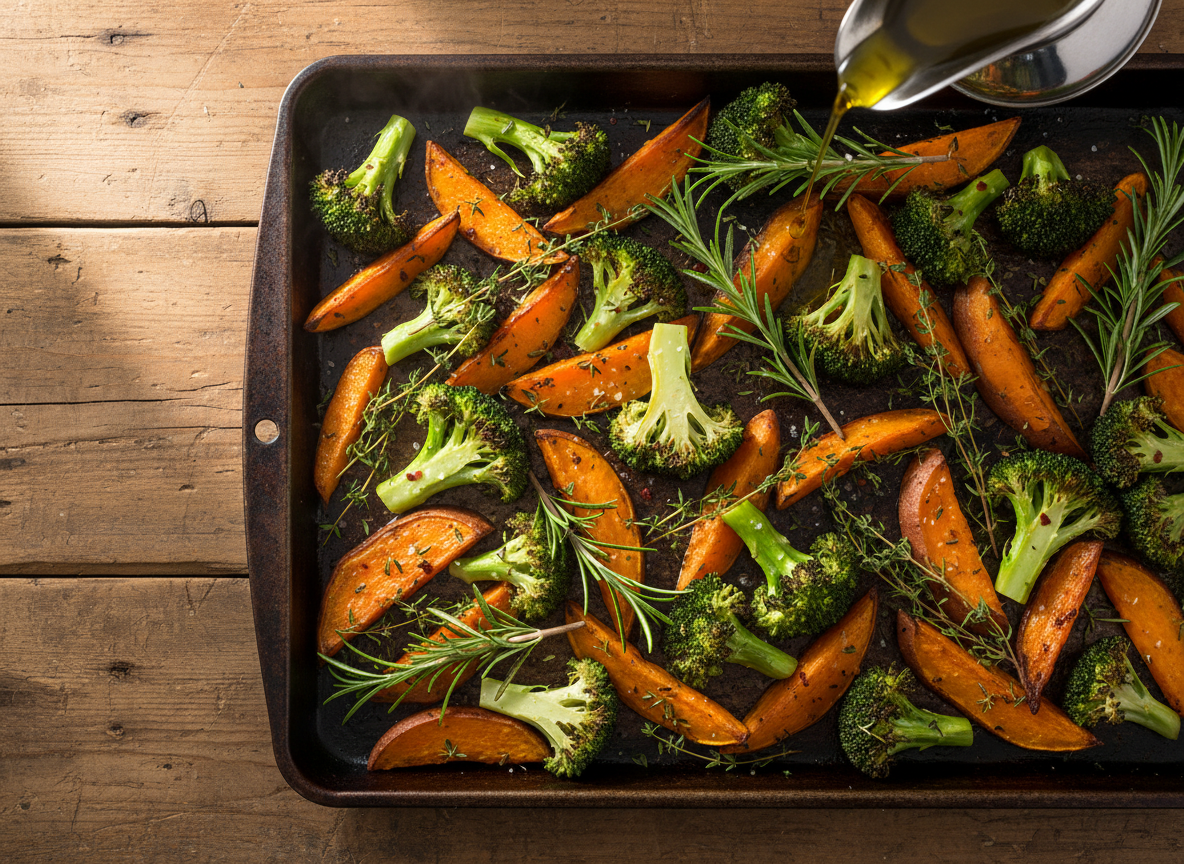
The fix: Roast, sear or grill vegetables at high heat, 400–450°F (200–230°C). High heat triggers browning and caramelization, which creates rich, savory, nutty flavors. This one change converts more “vegetable haters” than anything else I know. For ideas, see 10 Easy Ways to Eat More Vegetables Every Day.
3. Under-seasoning and fear of acid
The mistake: Cutting out seasoning entirely, or skipping the acidic balance that lemon juice, vinegar and citrus zest bring.
Why it backfires: Unseasoned food tastes flat, like cardboard. Without acid, meals taste heavy or muddy, even when the ingredients are good.
The fix: Season in layers throughout cooking, not just a pinch at the very end. Then finish heavy or earthy dishes, like stews, lentils or roasted vegetables, with a splash of fresh lemon juice or apple cider vinegar. It makes the flavors pop.
If you’ve been told to limit salt: acid, herbs, spices, garlic and toasted seeds are your best friends. Lemon juice and vinegar in particular brighten food so much that you’ll miss the extra salt far less. Follow your doctor’s advice on sodium.
4. Relying on ultra-processed “healthy” products
The mistake: Replacing real food with packaged “low-carb,” “fat-free” or protein-fortified snacks and sauces.
Why it backfires: To make up for missing fat and texture, these products are often loaded with thickeners, extra sodium or hidden sugars. They usually leave you less satisfied than real food would, and they cost more.
The fix: Build meals around whole ingredients: vegetables, whole grains, lean proteins, beans, and natural herbs and spices. Our Healthy Pantry Staples Checklist shows what to keep on hand.
5. Overcrowding the pan
The mistake: Piling too many vegetables or too much protein onto one baking sheet or into one pan to save time.
Why it backfires: Steam builds up immediately and has nowhere to go. That prevents browning and crisping, so everything boils in its own juices. Chicken turns grey, and vegetables go limp.
The fix: Give ingredients breathing room. Divide them between two baking sheets, or cook in batches. It takes a few extra minutes but makes a huge difference. Our Sheet-Pan Lemon Herb Chicken with Roasted Fall Vegetables shows how much better properly spaced food turns out.
The bottom line
Healthy food should taste good enough that you want to eat it again tomorrow. Use a little good fat, high heat, proper seasoning and a splash of acid, and give your food room in the pan. Those habits matter as much as any ingredient list.
To put it all together on one plate, see How to Build a Balanced Plate.
— Chef Nadeem
Please note: This article shares cooking advice from professional experience. It isn’t medical or nutrition advice. If you have a health condition or have been given specific dietary instructions, follow your doctor’s or dietitian’s guidance. Read our full Disclaimer.
Leave a Reply