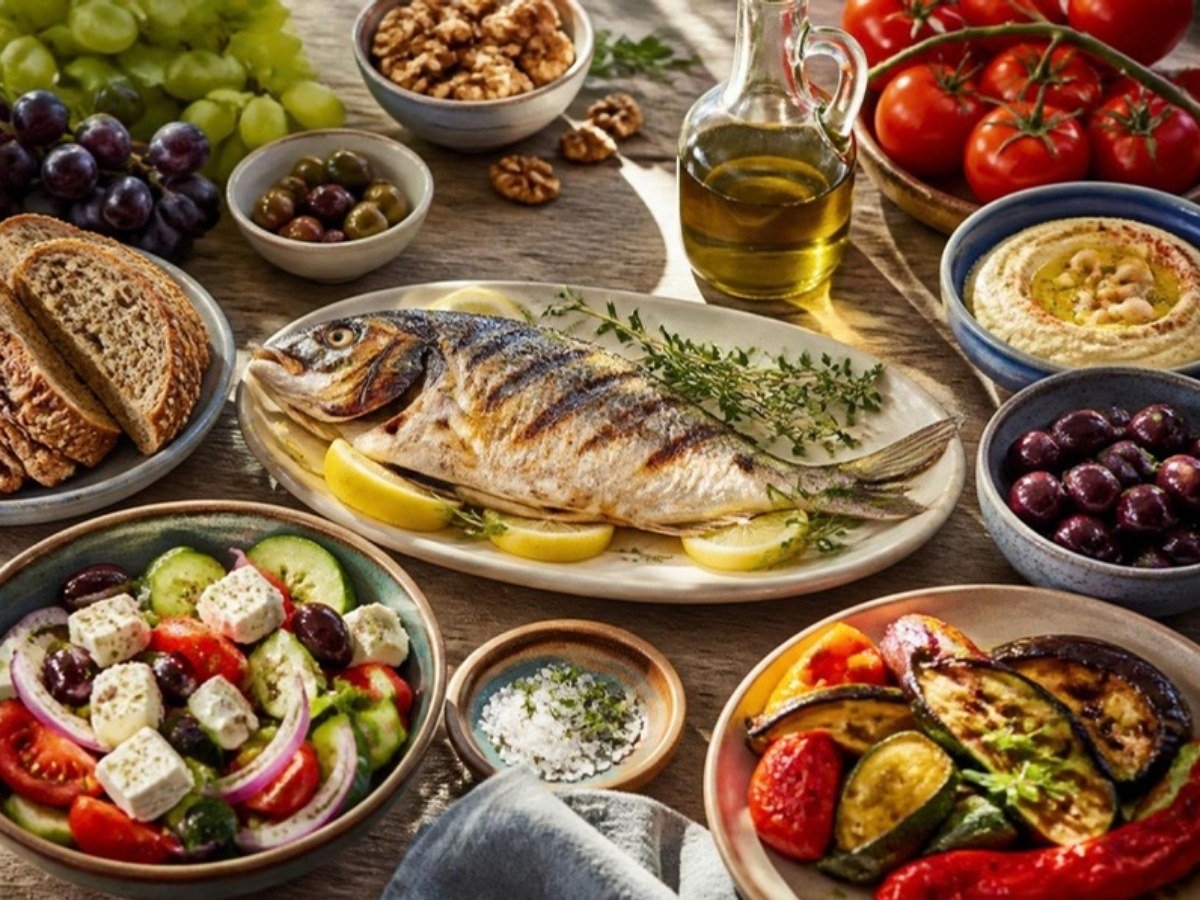
The Mediterranean diet is inspired by traditional eating patterns in countries like Greece, Italy and Spain. It is less a strict diet and more a delicious, flexible lifestyle, and it is consistently linked in research to better heart health.
What to Eat
- Plenty: vegetables, fruits, whole grains, beans, lentils, nuts, seeds, herbs, spices and extra-virgin olive oil
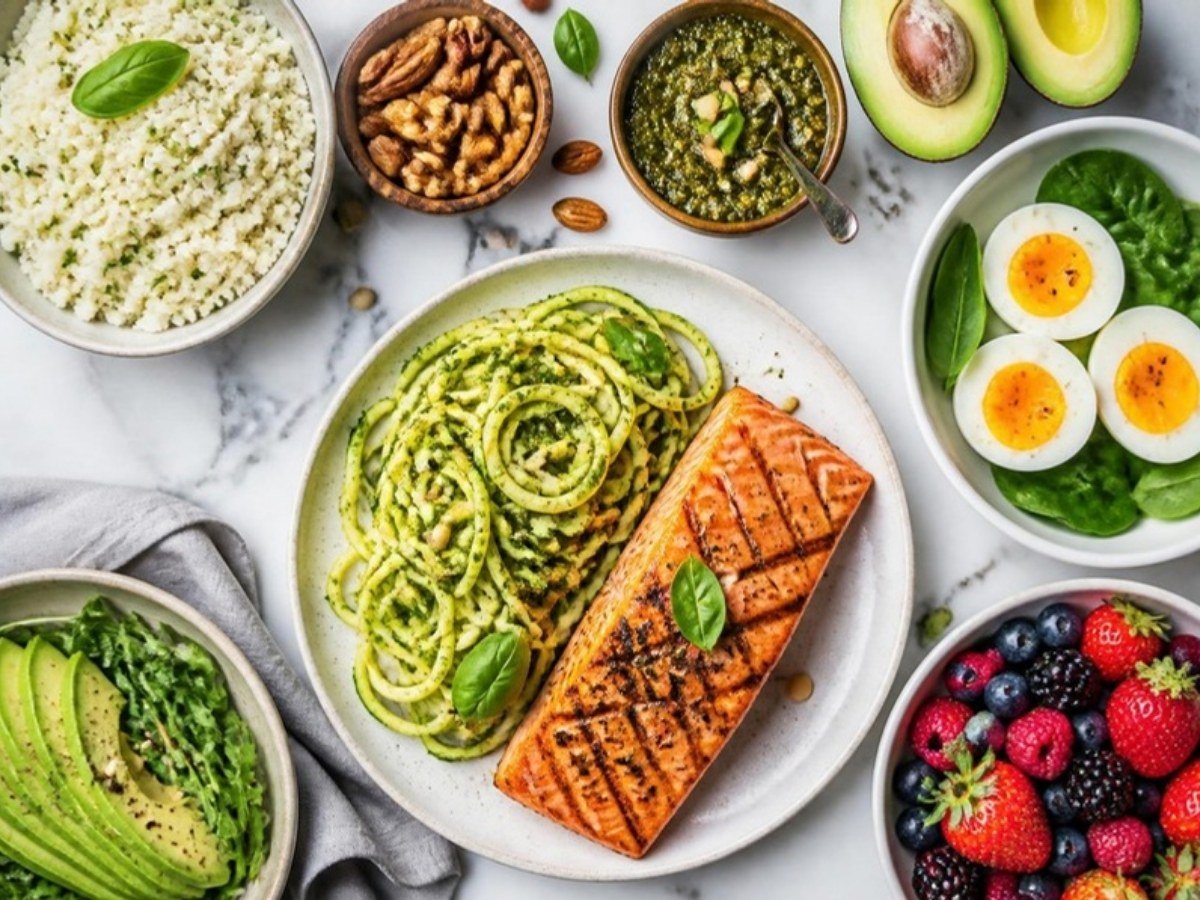
- Often: fish and seafood, at least twice a week
- Moderately: poultry, eggs, cheese and yogurt
- Rarely: red meat, sweets and highly processed foods
Simple Ways to Start
- Cook with olive oil instead of butter.
- Eat fish or seafood twice a week.
- Have a meatless dinner built on beans or lentils once or twice a week.
- Snack on nuts, olives, fruit and vegetables.
- Choose whole grains like farro, bulgur, brown rice and whole-wheat bread.
- Enjoy meals slowly and, when possible, with others.
A Sample Mediterranean Day
- Breakfast: Greek yogurt with honey, walnuts and berries
- Lunch: Mediterranean chickpea salad with whole-wheat pita
- Snack: Hummus with cucumber and carrots
- Dinner: Baked salmon with roasted vegetables and a drizzle of olive oil
Is It Good for Weight Loss?
Because it focuses on filling, fiber-rich whole foods, many people find it helps them manage their weight naturally, without counting calories.
Leave a Reply