If you’ve spent any time in the wellness world lately, you’ve probably heard someone mention their “gut health.” It’s not just a buzzword. The trillions of bacteria, fungi, and other microorganisms living in your digestive tract, collectively known as the gut microbiome, play a surprisingly large role in digestion, immune function, and overall well-being. The good news is that you don’t need exotic supplements or a complicated protocol to support it. Small, consistent changes to what you eat every day can make a real difference.
In this guide, we’ll break down what the gut microbiome actually does, clear up the confusion between prebiotics and probiotics, and share simple, grocery-store-friendly foods you can start adding to your meals this week.
What Is the Gut Microbiome, and Why Does It Matter?
According to the Harvard T.H. Chan School of Public Health’s Nutrition Source, the microbiome is made up of trillions of microorganisms, including bacteria, fungi, parasites, and viruses, and each person’s microbial community is unique, shaped by genetics, early childhood exposures, environment, and diet.
These microbes aren’t just along for the ride. They perform several essential jobs in the body, including:
- Stimulating healthy immune system activity
- Helping break down potentially harmful compounds
- Synthesizing important nutrients, including B vitamins and vitamin K
- Producing short-chain fatty acids through the fermentation of dietary fiber, which support muscle function and may help protect against certain chronic conditions
That last point is key: your gut bacteria rely heavily on fiber. As Harvard’s Nutrition Source explains, dietary fiber can only be broken down and fermented by enzymes from the microbiota living in your colon. In other words, what you eat directly shapes which bacteria thrive and which struggle, and fiber is one of the biggest levers you can pull.
Prebiotics vs. Probiotics: What’s the Difference?
These two terms get mixed up constantly, but the distinction is simple once you see it laid out.
Prebiotics
Prebiotics are indigestible components of food, mostly fiber, that act as fuel for the beneficial bacteria already living in your gut. Mayo Clinic notes that prebiotics are primarily found in high-fiber foods. Think of them as fertilizer for the good bacteria you already have.
Probiotics
Probiotics are living microorganisms, typically bacteria or yeast, that can support digestion and help manage certain symptoms when consumed. According to Mayo Clinic, probiotics occur naturally in fermented foods like yogurt and sauerkraut. Think of them as adding new, beneficial recruits directly to your gut community.
Mayo Clinic also points out that most adults without underlying health concerns can safely add prebiotic and probiotic foods to their diet, though research hasn’t definitively proven these foods improve health outcomes for everyone, and supplement forms aren’t regulated by the FDA the way medications are. Food sources are generally the simplest and safest place to start.
Best Prebiotic Foods to Add to Your Plate
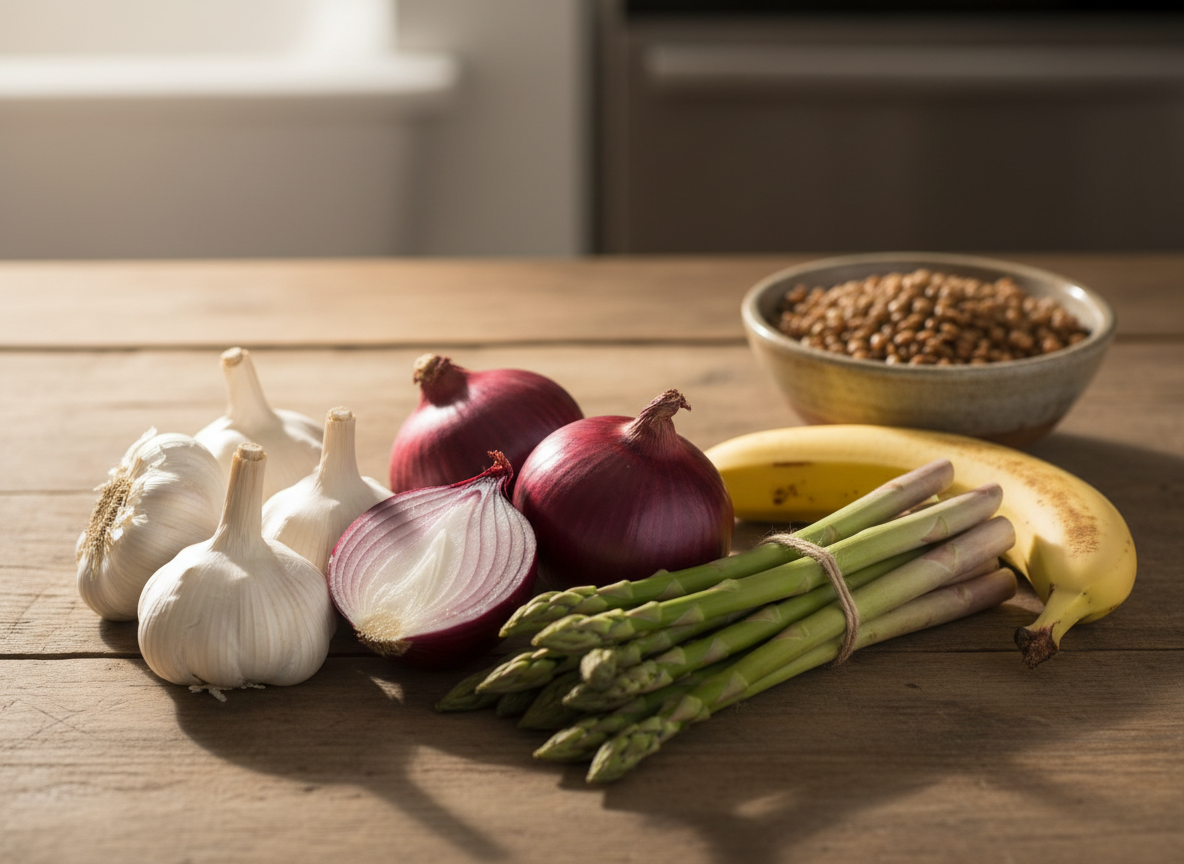
You likely already have several of these in your kitchen. According to Harvard’s Nutrition Source, prebiotic-rich foods include:
- Garlic, onions, and leeks — easy to add to almost any savory dish
- Asparagus — roast it, grill it, or toss it into a stir-fry
- Bananas — a convenient, portable snack
- Seaweed — try it in soups or as a nori wrap
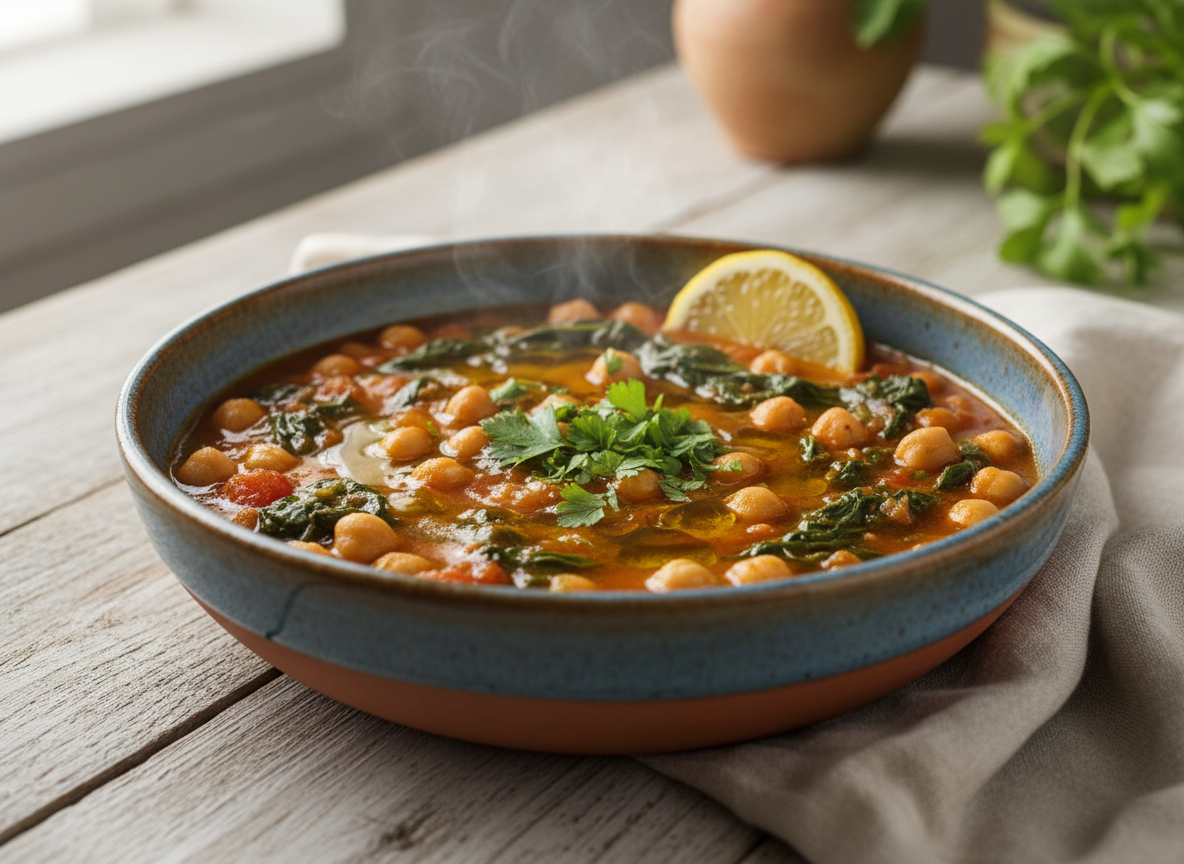
- Beans and legumes — chickpeas, lentils, and black beans all count
- Whole grains — oats, barley, and whole wheat
- A wide variety of fruits and vegetables — diversity matters as much as quantity
One practical tip worth knowing: if you’re not used to eating much fiber, ramping up too quickly can cause bloating or gas. Harvard’s guidance is to increase prebiotic-rich foods gradually rather than overhauling your diet overnight.
Best Probiotic (Fermented) Foods to Add to Your Plate
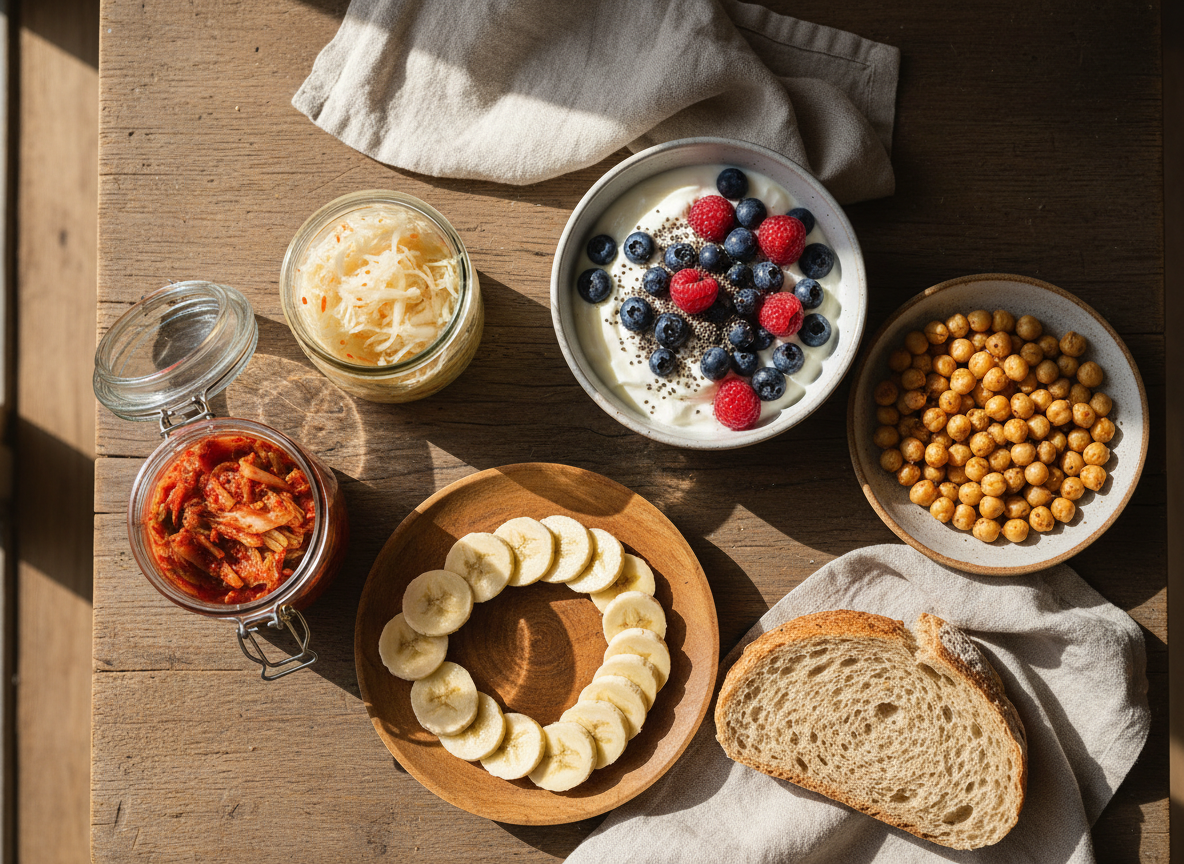
Fermented foods are where probiotics naturally show up. Harvard’s Nutrition Source lists several options worth keeping stocked in your fridge or pantry:
- Kefir — a tangy, drinkable fermented milk (or coconut milk for a dairy-free option)
- Yogurt with live active cultures — check the label for “live and active cultures”
- Kimchi and sauerkraut — great as a topping for grain bowls, tacos, or sandwiches
- Tempeh — a firm, protein-rich fermented soy product that works well in stir-fries
- Miso — whisk into dressings, soups, or marinades
- Kombucha — a fizzy, fermented tea
One important detail: heating or pasteurizing fermented foods can destroy the beneficial live bacteria. If you want the probiotic benefit, look for products labeled with live or active cultures, and add ingredients like miso or sauerkraut toward the end of cooking, or serve them cold, rather than boiling them.
Simple Ways to Support Your Gut This Week
You don’t need to overhaul every meal to see the benefit of a more gut-friendly diet. A few small, sustainable swaps go a long way:
- Add one fermented food a day. A spoonful of sauerkraut on a sandwich or a small cup of yogurt at breakfast is an easy starting point.
- Aim for plant diversity, not perfection. Research on the microbiome increasingly points to variety, eating many different plant foods across a week, as more meaningful than any single “superfood.”
- Build meals around a fiber source. Beans, lentils, oats, and whole grains are inexpensive, filling, and microbiome-friendly.
- Go slow if you’re new to high-fiber eating. Increase gradually and drink plenty of water to minimize bloating.
- Batch-cook a grain and a legume each week. Having cooked quinoa, brown rice, or chickpeas on hand makes it far easier to add fiber to any meal in seconds.
A Note on Supplements and When to Talk to a Doctor
Probiotic and prebiotic supplements are widely available, but Mayo Clinic notes that the FDA does not regulate these products the way it regulates medications, and long-term safety data is still limited for some populations. Most healthy adults can safely enjoy prebiotic and probiotic foods as part of a balanced diet. However, if you have a compromised immune system, a chronic digestive condition, or you’re considering a supplement (rather than food) for a specific health concern, it’s worth talking with your doctor or a registered dietitian first. This is especially true for infants, older adults, and anyone who is immunocompromised.
This article is intended as general nutrition information and recipe inspiration, not individualized medical advice. If you have a specific digestive condition or health concern, please consult a doctor or registered dietitian for guidance tailored to you.
The Bottom Line
Supporting your gut microbiome doesn’t require a dramatic lifestyle overhaul or an expensive supplement stack. It starts with everyday choices: reaching for a wider variety of plants, keeping beans and whole grains in regular rotation, and adding a spoonful of a fermented food here and there. Over time, these small, consistent habits add up to a more resilient, well-fed gut microbiome, and a foundation for better digestion and overall wellness.
Start small this week: pick one fermented food and one high-fiber food to add to your regular rotation, and build from there.
Leave a Reply