As soon as the temperature drops and the leaves start turning, it feels like everyone around you is sniffling, coughing, or nursing a sore throat. It’s tempting to reach for a mega-dose vitamin C packet or a shelf of immune “support” supplements the moment someone near you sneezes. But what does the science actually say about eating for immunity — and does food really make a difference? The short answer: yes, but not in the dramatic, overnight way marketing often implies. Your immune system is a long game, and the foods you eat regularly matter more than any single supplement you take once you’re already feeling run down.
This is general information, not medical advice. If you have a chronic health condition, take medication, or are pregnant or breastfeeding, talk with your doctor or a registered dietitian before making significant changes to your diet or starting any supplement.
Why Immune Health Gets More Attention in Fall
Cold and flu season typically ramps up in the fall and winter months, and shorter days mean most of us get less sun exposure, which affects how much vitamin D our bodies produce naturally. Combine that with busier schedules, more indoor time, and seasonal comfort foods that can crowd out produce, and it’s easy to see why fall is when immune-supportive eating deserves a second look. The good news is that supporting your immune system doesn’t require anything exotic — it mostly means making sure a handful of specific nutrients show up regularly on your plate.
The Nutrients That Actually Matter
According to the National Institutes of Health Office of Dietary Supplements, eating a varied diet is the main way to get enough of the vitamins and minerals your immune system relies on. A handful of nutrients have the most evidence behind them:
Vitamin C
Adults need about 75–120 mg of vitamin C per day (smokers need about 35 mg more, since smoking depletes vitamin C in the body). Research suggests that people who take in vitamin C regularly, as part of their normal diet, may have slightly milder or shorter colds — but starting high doses after symptoms begin doesn’t appear to help much. The best approach is consistency, not a last-minute dose.
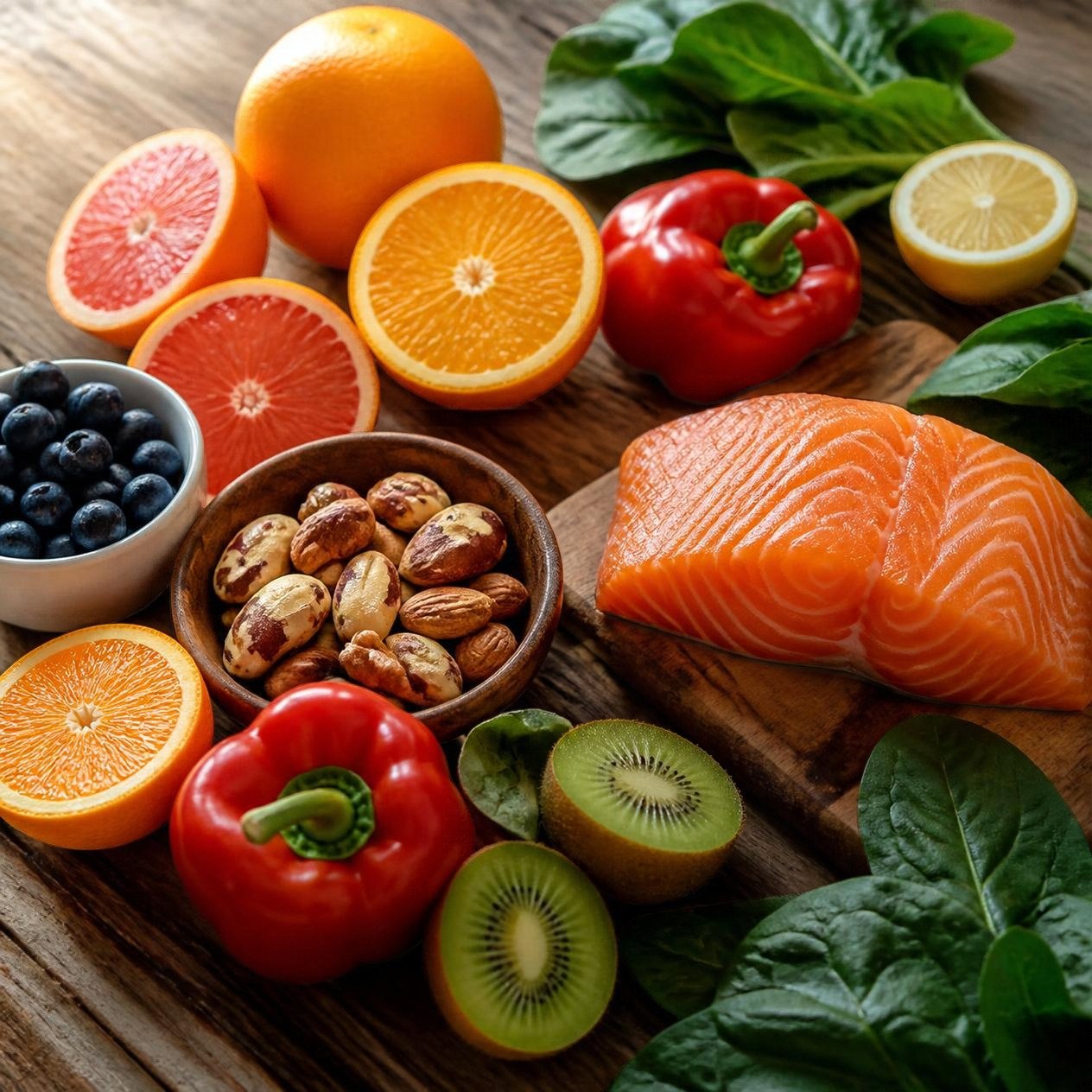
Good sources: citrus fruits, bell peppers, strawberries, broccoli, kiwi, and tomatoes.
Vitamin D
The recommended intake for most adults is 15–20 mcg (600–800 IU) per day. Because sunlight exposure (one of the body’s main ways of producing vitamin D) drops off in fall and winter, many people’s levels dip during these months. Some studies show that correcting a vitamin D deficiency may modestly lower the risk of respiratory infections, though results across studies are mixed and vitamin D isn’t a treatment for an active infection.
Good sources: fatty fish like salmon and sardines, fish liver oils, egg yolks, fortified milk, and some mushrooms exposed to UV light.
Zinc
Adults need roughly 8–12 mg of zinc daily. Some research indicates zinc lozenges taken at the very first sign of a cold may shorten its duration slightly, though they don’t seem to reduce how severe symptoms feel. It’s worth noting that consistently taking in too much zinc from supplements over a long period can actually interfere with immune function and lower copper levels, so more is not automatically better.
Good sources: oysters and other seafood, beef, poultry, beans, nuts, and whole grains.
Vitamin E, Selenium, and Vitamin A
These three get less attention but still play supporting roles. Vitamin E (15–19 mg/day) is found in nuts, seeds, vegetable oils, and leafy greens. Selenium (55–70 mcg/day) is abundant in Brazil nuts, seafood, and eggs — in fact, just one or two Brazil nuts can cover your daily selenium needs. Vitamin A (700–1,300 mcg RAE/day) comes from both animal sources (liver, dairy, eggs) and colorful produce like carrots, sweet potatoes, and leafy greens, which contain provitamin A. The evidence for these three is more limited than for vitamin C, vitamin D, or zinc, and benefits are clearest for people who have an actual deficiency.
Food First: Why Whole Foods Beat Supplements for Most People
It’s tempting to think of immune nutrients as something you can supplement your way into, but the research consistently points back to food as the foundation. Supplements mainly show clear benefits when someone has a confirmed deficiency; for people who are already eating a reasonably varied diet, extra supplementation generally doesn’t prevent illness or speed recovery. Whole foods also deliver these nutrients alongside fiber, antioxidants, and other compounds that work together in ways an isolated pill can’t replicate.
There are also real risks to over-supplementing. High-dose vitamin C may interfere with certain cancer treatments, vitamin E can interact with blood thinners, vitamin D can interact with some steroids, and zinc can interact with certain antibiotics. Long-term high-dose vitamin A is especially risky during pregnancy, and smokers who take high-dose beta-carotene supplements have shown an increased lung cancer risk in studies. If you’re considering a supplement for any reason, it’s worth a quick conversation with your doctor or pharmacist first, especially if you take other medications.
Building Immune-Supportive Meals: Practical Tips
- Aim for color on your plate. A mix of citrus, berries, leafy greens, and orange vegetables (like carrots and sweet potatoes) covers several immune nutrients at once.
- Keep seafood or poultry in regular rotation. Oysters, salmon, and chicken all contribute zinc, vitamin D, or both, depending on the cut and preparation.
- Snack on nuts and seeds. A small handful of Brazil nuts, almonds, or sunflower seeds adds selenium and vitamin E with minimal effort.
- Don’t skip the beans and whole grains. They’re an easy, budget-friendly source of zinc, especially for anyone eating more plant-forward meals.
- Get sunlight when you can. A short walk on a sunny fall afternoon supports natural vitamin D production, even as days get shorter.
- Prioritize sleep and stress management alongside diet. Nutrition is one piece of immune health, not the whole picture — consistent sleep and lower chronic stress matter just as much.
A Sample Day of Immune-Supportive Eating
Here’s what a realistic, immune-supportive day might look like — no powders or pills required:
- Breakfast: Greek yogurt with berries, a sprinkle of sunflower seeds, and a kiwi on the side.
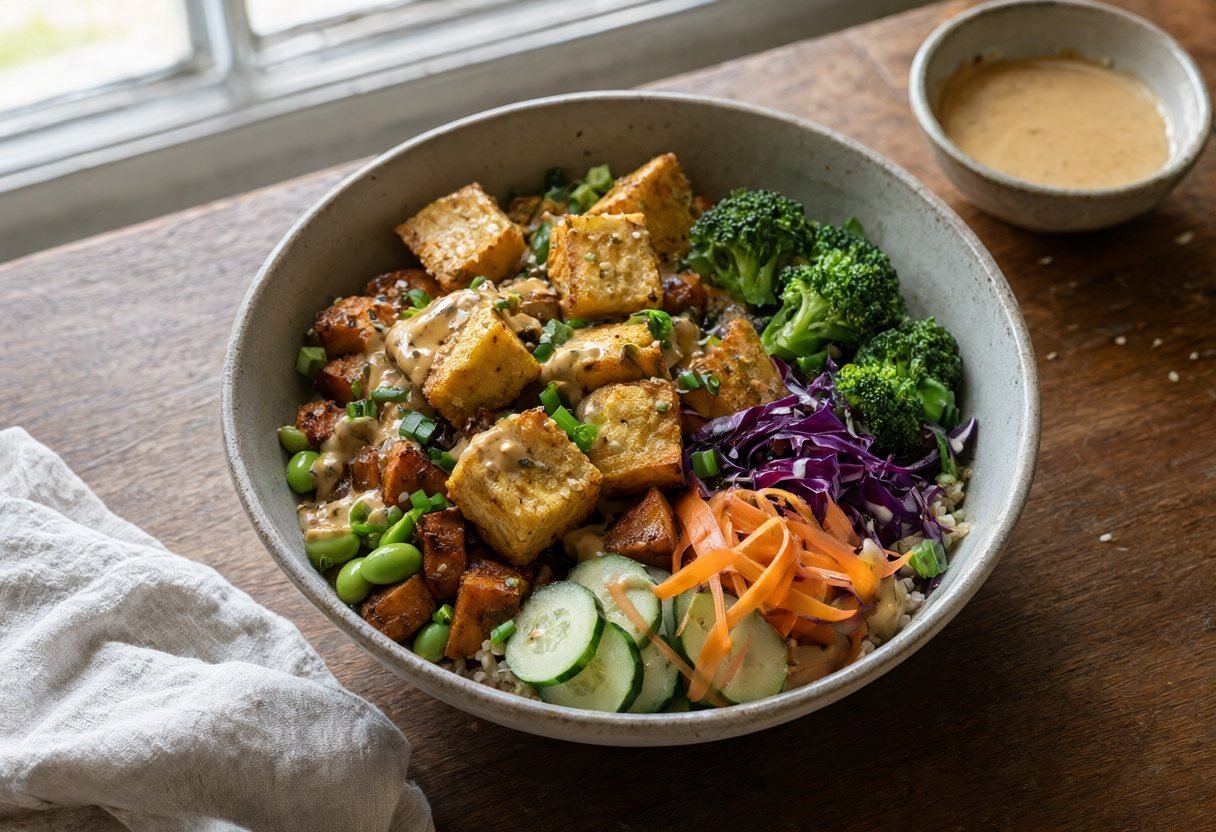
- Lunch: A big salad with leafy greens, bell peppers, chickpeas, and a citrus vinaigrette.
- Snack: A small handful of almonds or two Brazil nuts.
- Dinner: Baked salmon with roasted sweet potatoes and sauteed broccoli.
- Anytime: Herbal tea, water, or citrus-infused water to stay hydrated throughout the day.
Notice that this day covers vitamin C (berries, kiwi, bell peppers, citrus), vitamin D and zinc (salmon), selenium and vitamin E (nuts, seeds), and vitamin A (sweet potatoes, leafy greens) — all from ordinary meals, without needing to track a single milligram.
The Bottom Line
Eating for immunity isn’t about chasing a miracle food or panic-buying supplements the moment someone around you gets sick. It’s about consistently including a variety of produce, lean proteins, seafood, nuts, and whole grains in your regular meals, so your body has what it needs on hand when it needs it. Supplements have a place for people with confirmed deficiencies, but for most of us, the most reliable, lowest-risk way to support our immune system this fall is still the simplest one: eat a varied, colorful diet, get some sunlight, sleep well, and let food do the quiet work it’s built to do.
Leave a Reply