Quick question: when’s the last time you thought about vitamin K? If you’re like most people, the answer is never. It doesn’t get the spotlight that vitamin D or vitamin C does. But this quiet little nutrient is working behind the scenes every single day, helping your blood clot properly and keeping your bones strong.
The good news is that vitamin K is easy to get from everyday foods. You just need to know where to look. Let’s break it down.
What Is Vitamin K and Why Your Body Needs It
Vitamin K is a fat-soluble vitamin. That means your body absorbs it best when you eat it alongside a little dietary fat, like olive oil or avocado.
Its two biggest jobs are blood clotting and bone health. Vitamin K helps your body make several of the proteins involved in clotting, so cuts and wounds can heal normally. It also helps make a protein called osteocalcin, which is important for keeping bone tissue healthy and strong. Scientists are still studying a possible connection between vitamin K and heart health too.
Vitamin K1 vs. Vitamin K2: What’s the Difference
Vitamin K actually comes in two main forms, and it helps to know the difference.
- Vitamin K1 (phylloquinone): This is the main form in the average diet. You’ll find it mostly in green leafy vegetables, plus soybean and canola oil.
- Vitamin K2 (menaquinones): This form shows up in some animal foods and fermented foods, like natto, a traditional Japanese fermented soybean dish. Your gut bacteria also make small amounts of it.
Both forms count toward your daily vitamin K needs. For most people eating a varied diet, K1 from vegetables will make up the bulk of their intake.
How Much Vitamin K Do You Need Each Day
Vitamin K is a little different from most nutrients you see on a label. There isn’t enough research yet to set a full Recommended Dietary Allowance (RDA), so health experts use something called an Adequate Intake (AI) instead. Think of it as a solid, science-based target.
- Adult men (19 and up): 120 micrograms (mcg) per day
- Adult women (19 and up), including pregnancy and breastfeeding: 90 mcg per day
That number might sound tiny, but it’s easy to hit. A single half-cup serving of cooked collard greens blows right past it.
Best Food Sources of Vitamin K
Leafy greens are the clear winners here. Here’s how some common foods stack up:
- 🥬 Collard greens (cooked), ½ cup: about 530 mcg
- 🥗 Turnip greens (boiled), ½ cup: about 426 mcg
- 🥦 Broccoli (cooked), ½ cup: about 110 mcg
- 🥜 Cashews (dry roasted), ½ cup: about 80 mcg
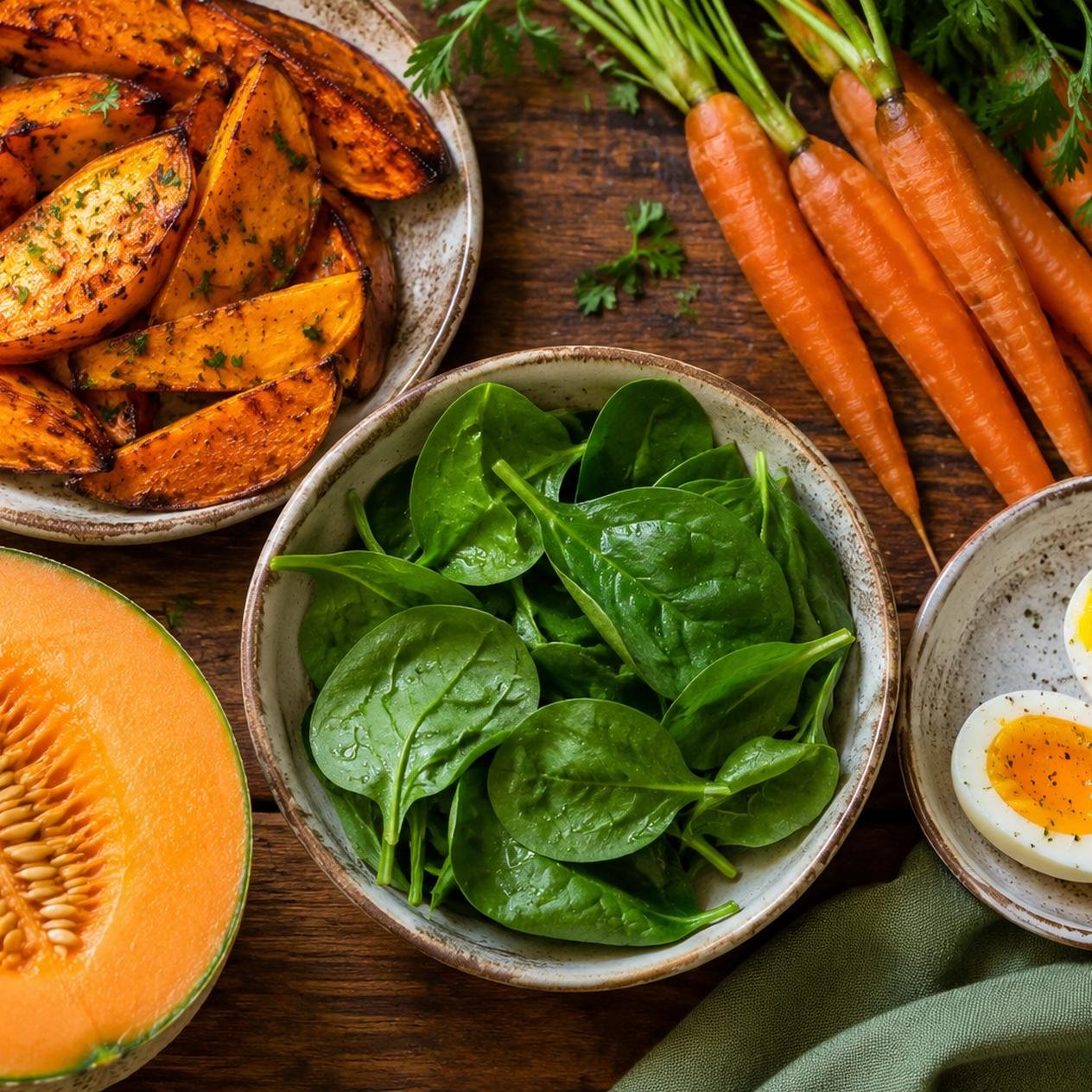
- 🍃 Spinach (raw), ½ cup: about 73 mcg
- 🥬 Kale (raw), ½ cup: about 57 mcg
- 🫘 Soybeans (roasted), ½ cup: about 43 mcg
- 🫙 Soybean oil, 1 tablespoon: about 25 mcg
- 🫛 Edamame (frozen, prepared), ½ cup: about 21 mcg
- 🫐 Blueberries, ½ cup: about 14 mcg
Notice a pattern? The darker and leafier the green, the more vitamin K it tends to have. A simple side salad or a quick sauté of greens can cover your whole day’s needs without much effort.
Who’s at Risk of Low Vitamin K
For most healthy adults, true vitamin K deficiency is rare. But a few groups are more likely to run low:
- Newborn babies: Vitamin K doesn’t cross the placenta well, and breast milk has very little of it. That’s why babies typically get a vitamin K shot shortly after birth.
- People with conditions that affect fat absorption: Since vitamin K is fat-soluble, conditions like celiac disease, cystic fibrosis, or ulcerative colitis can make it harder to absorb.
- People who’ve had bariatric surgery: This can also affect how well fat-soluble vitamins are absorbed.
If any of this applies to you, it’s worth bringing up with your doctor rather than guessing.
One Important Caution: Vitamin K and Blood Thinners
If you take a blood thinner like warfarin, this part matters. Vitamin K plays a direct role in blood clotting, so it can interact with how the medication works.
Here’s the good news: you don’t need to avoid vitamin K foods altogether. The real goal is consistency. Large, sudden swings in how much vitamin K you eat from day to day are what can throw off the medication. Eating a fairly steady amount of leafy greens week to week is usually just fine. If you’re on warfarin or any other blood thinner, talk with your doctor or pharmacist about what a consistent intake looks like for you before making any big changes to your diet.
Simple Tips to Get More Vitamin K Every Day
- 🥗 Add a handful of greens to one meal: Toss spinach into eggs, soup, or a smoothie. It’s an easy, almost invisible add.
- 🫒 Pair greens with a little fat: A drizzle of olive oil on your salad or veggies helps your body absorb more vitamin K.
- 🥦 Roast your vegetables: Roasted broccoli and Brussels sprouts are easy crowd-pleasers that happen to be rich in vitamin K.
- 🍲 Build a weekly greens habit: Keep a bag of pre-washed kale or spinach on hand so it’s always easy to add to dinner.
- 📋 Stay consistent if you’re on a blood thinner: Aim for a similar amount of leafy greens most days rather than feast-or-famine portions.
The Bottom Line
Vitamin K doesn’t ask for much. A regular habit of eating leafy greens, a few cruciferous vegetables, and a little healthy fat will cover most people’s needs without any fuss. It works quietly alongside calcium and vitamin D to keep your bones strong, and it plays its own steady role in heart health alongside nutrients like omega-3s.
This article is general information, not medical advice. If you take blood thinners or have a health condition that affects nutrient absorption, talk with your doctor before making changes to your diet.
Do you already eat a lot of leafy greens, or is this a nutrient you’ve never thought about before? Tell me in the comments!
Leave a Reply