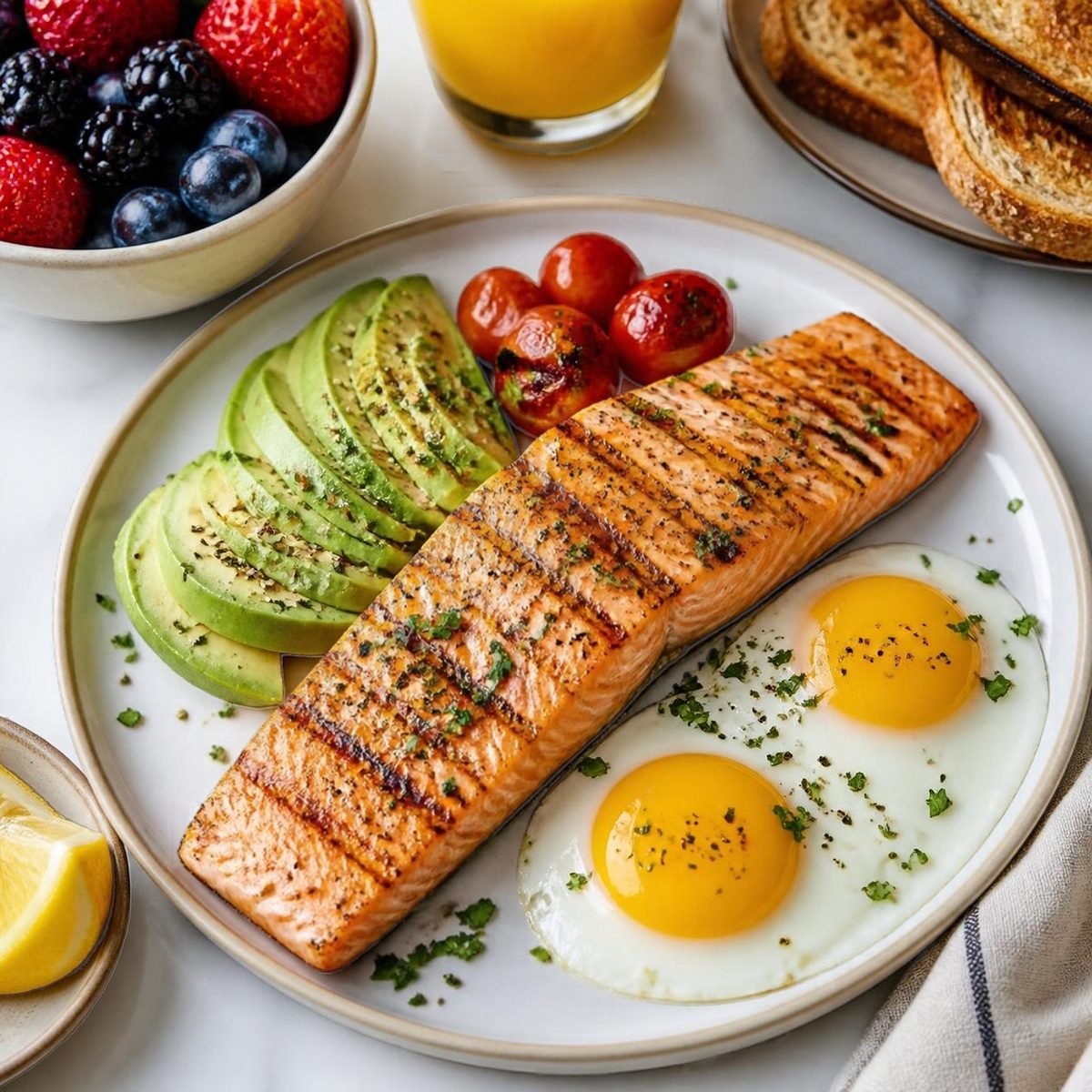
If you’ve been feeling a little more sluggish since the clocks started shifting and the sun disappears by dinnertime, you’re not imagining it. Shorter days mean less sunlight on your skin, and for most of us in the Northern Hemisphere, that translates directly into lower vitamin D levels heading into winter. Vitamin D doesn’t get the spotlight that protein or fiber does, but it quietly supports your bones, your immune system, and dozens of processes happening in your body right now. The good news: with a little attention to your plate (and a bit of smart sun exposure), keeping your levels in a healthy range is very doable.
Why Vitamin D Matters More Than You Think
Vitamin D’s best-known job is helping your body absorb calcium, which is essential for building and maintaining strong bones. Without enough of it, your body can’t absorb calcium efficiently, no matter how much you’re getting from dairy or leafy greens. Vitamin D also plays a role in muscle function and immune support, helping your body respond appropriately to everyday germs and stressors. According to the Mayo Clinic, low vitamin D levels are common and can contribute to weak bones, fatigue, and a higher risk of infections. In children, long-term deficiency can cause rickets (soft, weak, and sometimes deformed bones), while in teens and adults it can lead to osteomalacia, a condition marked by bone pain and muscle weakness, according to the National Institutes of Health’s Office of Dietary Supplements.
Who’s Most at Risk When the Days Get Shorter
Your skin naturally produces vitamin D when it’s exposed to UVB rays from the sun, but that process slows dramatically as daylight hours shrink and the sun sits lower in the sky. The NIH and Mayo Clinic both point to several groups who are at higher risk of running low, especially in fall and winter:
- People who spend most of their time indoors or live in northern climates with limited winter sun
- Older adults, whose skin produces vitamin D less efficiently
- People with darker skin, since more melanin reduces the skin’s vitamin D production from sunlight
- People who are overweight or who have had gastric bypass surgery
- Anyone following a strict vegetarian or vegan diet, since many natural sources are animal-based
- People with conditions that affect fat absorption, such as Crohn’s disease or celiac disease
- Exclusively breastfed infants, who may need a supplement as advised by their pediatrician
If several of these apply to you, it’s worth a conversation with your doctor about whether a simple blood test makes sense — it’s the most reliable way to know where your levels actually stand rather than guessing.
How Much Vitamin D Do You Actually Need?
The National Institutes of Health sets the recommended dietary allowance (RDA) for most people as follows:
- Children and adults ages 1–70: 600 IU (15 mcg) per day
- Adults ages 71 and older: 800 IU (20 mcg) per day
- Pregnant women: at least 600 IU, though a clinician may recommend more
For context, a blood level below 12 ng/mL (30 nmol/L) is generally considered too low and may weaken bones, per the NIH. It’s also worth knowing there’s a ceiling here: adults shouldn’t exceed 4,000 IU (100 mcg) per day from food and supplements combined without medical guidance, since very high levels over time can cause nausea, confusion, or kidney problems. More isn’t automatically better — the goal is a sufficient, steady level, not a maximal one.
The Best Food Sources of Vitamin D
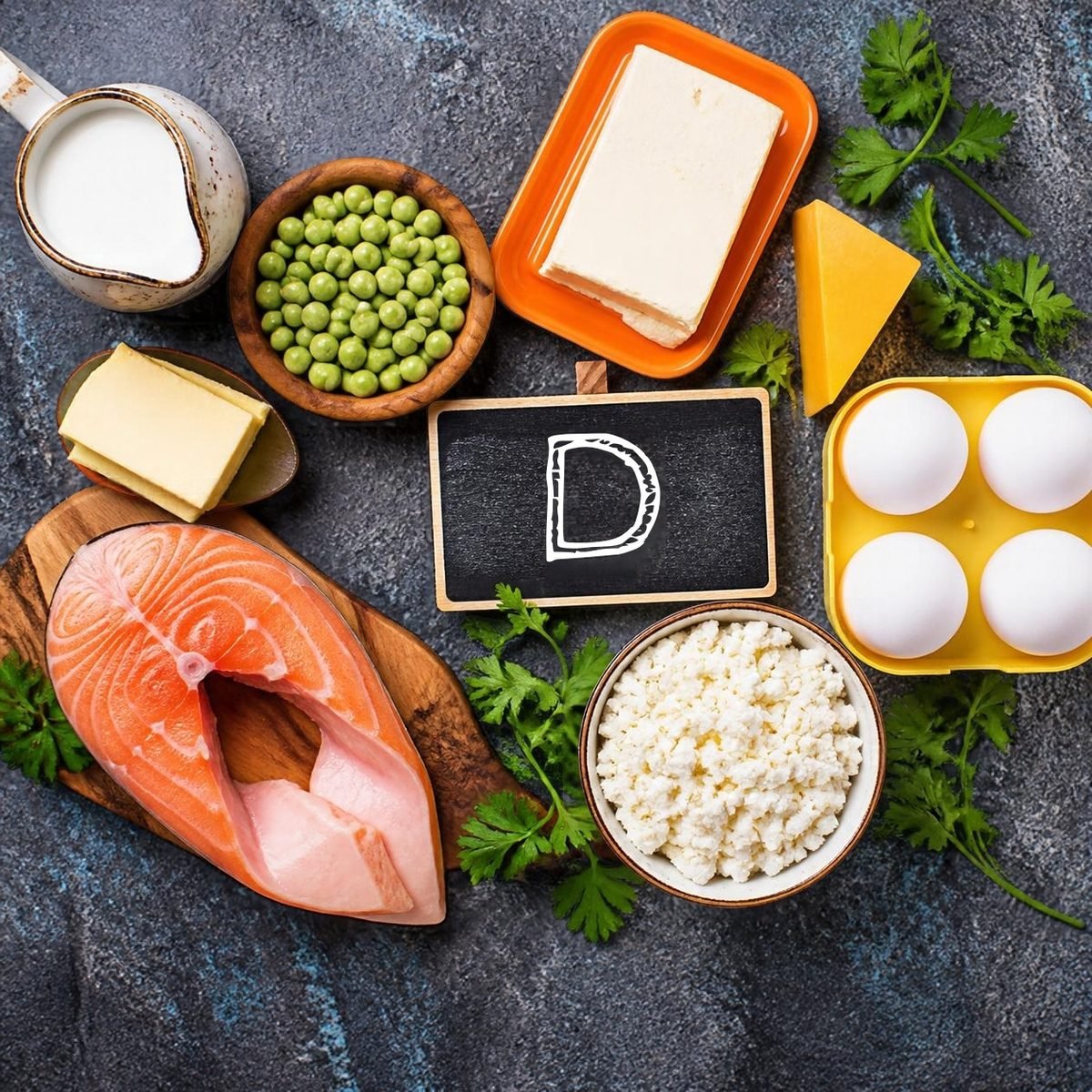
Relatively few foods are naturally rich in vitamin D, which is exactly why fortified foods make up the bulk of most people’s dietary intake in the U.S. Here’s how some everyday options stack up, based on NIH data:
- Cooked salmon (3 oz): about 570 IU — one of the richest natural sources available
- UV-exposed mushrooms (½ cup, sliced): about 366 IU — a great option for plant-based eaters
- Fortified milk (1 cup): about 120 IU
- Fortified breakfast cereal (1 serving): about 80 IU
- Large egg (1, with yolk): about 44 IU
- Canned light tuna in water (3 oz): about 40 IU
Many plant-based milks, yogurts, and some orange juices are also fortified — it’s always worth checking the Nutrition Facts panel, since fortification levels vary by brand. Beef liver and cheese contribute small amounts as well.
Don’t Count Out the Sun Entirely
On clear days, roughly 10–15 minutes of midday sun on your arms and legs a few times a week can meaningfully contribute to your vitamin D levels, per Mayo Clinic guidance. The catch in fall and winter is simple geography: the sun’s angle is lower, UVB exposure drops, and for many northern regions, meaningful vitamin D synthesis from sunlight essentially pauses for several months. That’s exactly why food sources (and, for many people, a supplement) carry more of the load this time of year.
What About Vitamin D and Mood?
It’s a common claim that vitamin D supplements can lift your mood or ward off the winter blues, so it’s worth being precise about what the research actually shows. Observational studies have found a link between low vitamin D levels and a higher risk of depression. However, according to the NIH’s Office of Dietary Supplements, clinical trials testing whether vitamin D supplements actually prevent or treat depressive symptoms have not shown a clear benefit — a meta-analysis of nine trials found no significant improvement, and later trials echoed that finding. In other words, the connection between low vitamin D and mood appears to be real, but supplementing your way out of a low mood isn’t currently backed by strong evidence. If you’re dealing with persistent low mood, that’s a conversation for a healthcare provider, not a vitamin aisle.
Supplements: What to Know Before You Start
If food and sunlight aren’t getting you there, over-the-counter vitamin D3 supplements are widely available and generally well tolerated at standard doses. That said, it’s worth asking your healthcare provider before starting one, especially at a higher dose, since the right amount depends on your current levels, age, and health history. A simple blood test can tell you where you stand and help your provider recommend a dose that actually fits your needs, rather than guessing. This is general information for everyday wellness, not personalized medical advice — if you suspect a deficiency or have a condition that affects nutrient absorption, please check in with a doctor or registered dietitian.
Simple Ways to Get More Vitamin D on Your Plate
You don’t need a dramatic diet overhaul to nudge your intake upward. A few easy, realistic swaps:
- Make salmon (fresh or canned) a weekly dinner — try it roasted with lemon and herbs, or flaked over a grain bowl.
- Swap regular button mushrooms for UV-exposed varieties when you see them labeled at the grocery store, and toss them into omelets, pasta, or sheet-pan dinners.
- Choose fortified milk or a fortified plant-based milk for your morning coffee, smoothie, or cereal.
- Keep eggs on hand for a fast breakfast — scrambled, soft-boiled, or baked into muffins.
- Check labels on orange juice and yogurt; many fortified options taste identical to their unfortified counterparts.
- If you spend most weekdays indoors, take a short walk outside around midday when the sun is highest, weather permitting.
The Bottom Line
Vitamin D is easy to overlook precisely because its effects are quiet — you won’t necessarily feel a deficiency coming on the way you might notice, say, low energy from skipping meals. But it plays a real role in bone strength, muscle function, and immune support, and fall and winter are exactly when most of us need to be a little more deliberate about it. Build a few vitamin D-rich foods into your regular rotation, get outside when you can, and if you’re in a higher-risk group or just want to know where you stand, ask your doctor about a blood test. This article is for general wellness information and isn’t a substitute for individualized medical advice.
Leave a Reply